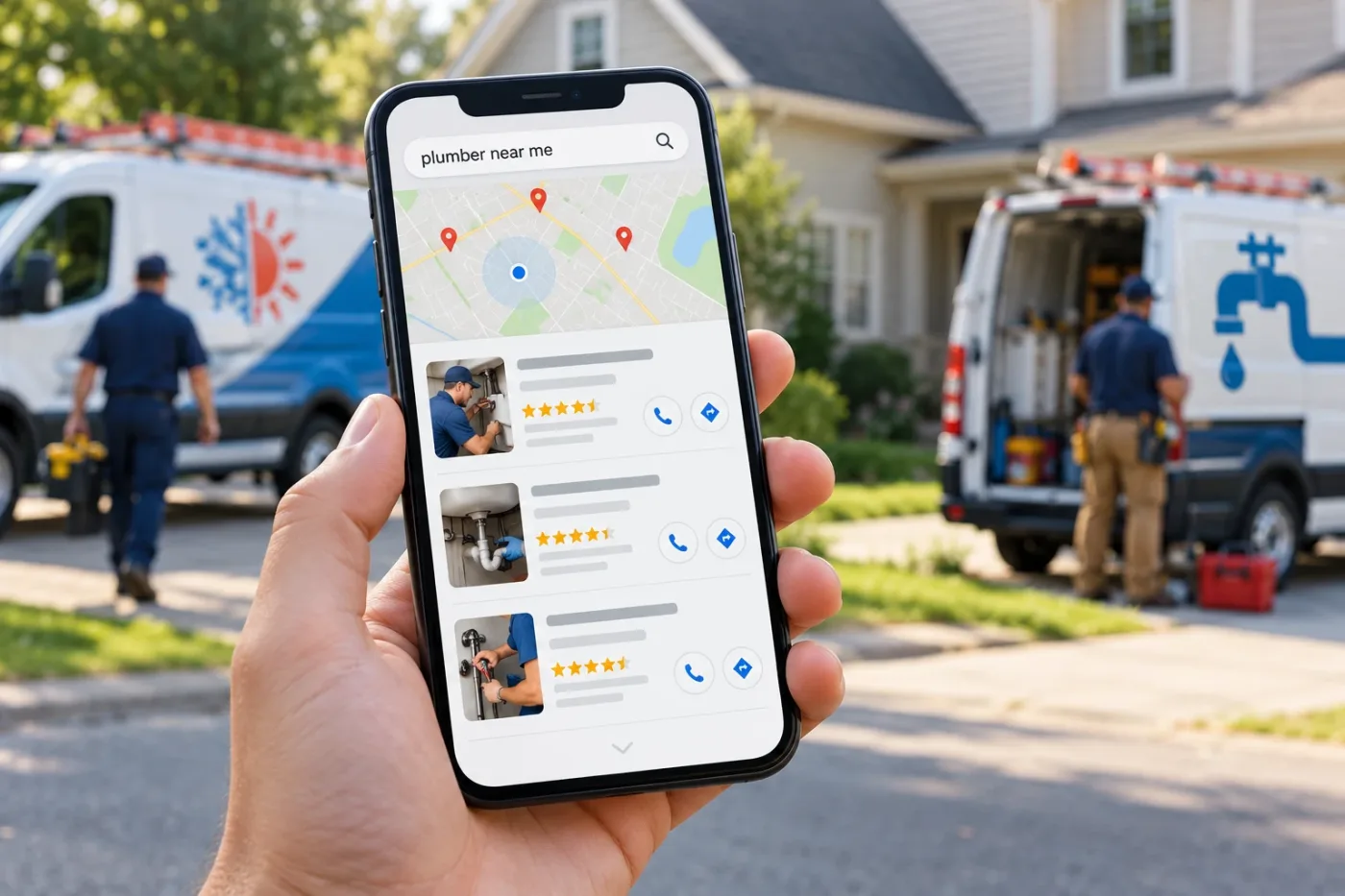
Med spa SEO helps people find your clinic when they search for aesthetic services, compare providers, or look for a consultation nearby. It brings together an accurate Google Business Profile, useful treatment pages, credible provider information, and a clear booking process.
The priority is to connect the right search with the right information. Someone searching for a med spa near them may need your location and hours. Someone comparing an injectable treatment may want to understand who provides it, how consultation works, and what limitations to discuss. A page that answers those questions is more useful than a long list of treatment names.
This guide is for US med spa owners and marketing teams. It covers local SEO for med spas, website content, consultation inquiries, and choosing an agency. It does not provide treatment advice or determine whether someone is a clinical candidate. Those decisions belong to the appropriate qualified professional.
Understand how prospective clients search
Med spa searches include local discovery, treatment research, and provider comparison. Your Google Business Profile can help with local results and Maps; your website can answer more detailed questions in organic search. Ads are a separate source of paid visibility.
Google's local ranking guidance describes relevance, distance, and prominence. Accurate information helps Google understand your business. Distance still matters, and reviews and relevant links can contribute to prominence. No agency can make one clinic appear first for every searcher across a city.
Start by listing the services you currently provide, the locations where they are available, and the people responsible for them. Then compare that list with search queries in your Search Console data and questions your reception team hears. Prioritize services the clinic can support with reliable information and available consultation capacity.
These examples illustrate how searches can map to pages. They are not verified keyword-volume estimates or recommendations that every clinic offer these treatments.
| Example search | What the person needs | Useful destination |
|---|---|---|
| Med spa near me | Find a nearby clinic and check basic details | Main clinic or location page |
| Laser hair removal Austin | Understand a service available locally | Treatment page with actual capabilities and consultation process |
| Lip filler consultation Austin | Compare providers and learn the next step | Relevant treatment page with provider and consultation information |
| Med spa consultation cost | Understand fees and what an appointment includes | Consultation information or a clearly explained pricing section |
| Example Clinic reviews | Check a specific business before contacting it | Accurate clinic information and genuine independent reviews |
Use one useful page for a distinct service need. Closely related questions can belong on the same page. Avoid creating separate pages for every spelling of med spa, medical spa, and medspa when they would repeat the same information.
Make your local profile match the clinic
Keep ownership of the clinic's Google Business Profile under the business's control. Confirm verification through the process Google makes available, then check the real name, address, phone number, website, and applicable customer-facing hours.
Follow Google's business representation guidelines. Use the name customers recognize from your signage and other branding. Do not append treatment keywords or a city solely to influence rankings. Choose the available category that best describes the actual business and only relevant additional categories.
For a clinic people visit, the address should lead to the real premises. Explain the suite, entrance, parking, and appointment arrangements on the location page. Keep contact details and any applicable profile hours current. Use real facility photos that help a new visitor recognize the building and reception.
Google's guidelines say businesses operating only by appointment should not provide regular Business Profile hours. If that describes your clinic, explain appointment availability and how to contact reception on your website. If you have regular customer-facing hours, keep those and relevant holiday exceptions accurate.
Assess each genuine branch separately. A rented mailing address does not create a clinic, and a treatment offered at the existing location does not need a separate business profile. Individual practitioner profiles have their own eligibility rules; check those before creating them rather than assuming every staff member needs another listing.
Link each branch profile to the relevant location page. Keep the service information consistent with what that branch actually provides. RankVigor's Google Business Profile optimization guide provides broader setup context; use the current Google guidelines for eligibility decisions.
Build treatment pages around informed questions
A treatment page should explain the service your clinic provides and help a visitor decide whether to request a consultation. It should support an informed conversation rather than try to determine suitability online.
Give each priority page a clear service name and location. Describe the actual product or technology where relevant, who performs the service, and how consultation and treatment appointments differ. Provide enough context for a reader to understand the next step without presenting every visit as having the same outcome.
Use this checklist when briefing the writer and clinical reviewer:
- Explain the treatment and the concern it is intended to address without diagnosing the reader.
- Identify the providers involved and link to accurate biographies.
- Describe consultation, assessment, and any separate treatment appointment.
- Explain realistic benefits, limitations, risks, and aftercare topics that the clinician approves.
- State consultation fees and treatment pricing terms accurately where published.
- Answer the questions the clinic can responsibly address before assessment.
- End with a clear route to the appropriate consultation.
If treatment costs vary by product, area, or a clinician's assessment, explain that basis. A starting price should state what it includes, important exclusions, and when the final quote is provided. Do not advertise a free consultation if there is a required fee or a condition hidden elsewhere.
Use descriptive titles and headings that reflect the real page. A fictional title example is "Laser Hair Removal Consultations in Austin | Example Clinic." Write a concise meta description summarizing the service and next step. Google may display different title or snippet wording, so these fields should read well rather than follow an arbitrary keyword-density target.
Review health claims before publishing
Treatment information can affect a person's health decisions. Have an appropriately qualified clinician review the medical statements, including suitability, risks, recovery, and expected results. Record who reviewed the content and when, and revisit it when the clinic's services, products, or guidance change.
Google's helpful content guidance emphasizes trust and gives particular attention to topics that can affect health and safety. Accurate authorship, relevant expertise, and clear sourcing help readers assess the information. Adding a reviewer label without an actual review does not create that trust.
Check both explicit claims and the message a reader could reasonably infer. "Risk free," "guaranteed results," or an image suggesting the same outcome for everyone can mislead even if another paragraph contains a disclaimer. The FTC's health advertising guidance explains the importance of substantiating health-related claims, including those conveyed through testimonials.
Be precise about regulatory language. The FDA's dermal filler information distinguishes approved uses from unapproved uses and describes risks. Do not imply that approval of a particular product supports every advertised use or guarantees an outcome. Ask the clinical reviewer to verify wording against the specific product and intended use.
Have the person responsible for the clinic's compliance review advertising and credential requirements that apply in its state. A marketing writer should not infer a provider's permitted scope from a job title or copy another clinic's claims. Keep this review tied to the actual page rather than adding a generic disclaimer to unsupported copy.
Show the people and premises behind the service
Provider biographies should identify the real person, their role, current relevant credentials, and the services they provide. Where verification is available, link to the appropriate official licensing or certification resource. Explain credentials precisely instead of making every team member appear to have the same qualifications.
If you use "board certified," name the relevant board and specialty and verify the current claim. If a clinician oversees certain services, describe the actual arrangement without implying that person performs every appointment. Avoid invented years of experience, exaggerated training claims, and badges that cannot be checked.
Add genuine photos of the premises and team with permission. Before-and-after photos require particular care: obtain appropriate written permission, confirm applicable privacy and advertising requirements, and explain the treatment and time period accurately. Use consistent presentation and do not edit the images to exaggerate the change. A selected result is not proof that every person can expect the same outcome.
Never use generated before-and-after images as evidence of clinical work. Clearly disclosed illustrative photos can support a general marketing article, but they should not be presented as your actual practitioners, patients, clinic, or results.
Request genuine reviews and protect privacy
Create a consistent process for inviting honest feedback after a genuine interaction. Google's review policy prohibits incentives and selective solicitation of positive reviews. Do not exchange a discount for a review or send only satisfied people to Google while diverting everyone else into a private form.
A neutral request can say, "If you would like to share your experience, you can leave an honest review here." Avoid instructions to give five stars, repeat treatment keywords, or disclose personal health details.
Keep public replies general. Do not confirm that a reviewer received a particular treatment, repeat appointment details, or respond with information from a clinical record. A reply can invite the person to contact the clinic through its established private channel without acknowledging a patient relationship. Use the clinic's approved process for follow-up.
Republishing a review in your own marketing is a separate decision from replying on Google. Check permission, context, and the underlying claim. A testimonial does not substitute for evidence supporting a treatment benefit.
Connect treatment pages to useful local information
Build a clear route between your location page, service pages, provider profiles, and consultation information. A treatment guide can link to the relevant service and explain where it is offered. A provider profile can link to the services that person actually performs.
If you operate multiple locations, give each one accurate contact details, available services, and directions. Do not copy a complete treatment library onto every branch page without considering what is different or useful. If a service is available only at one branch, say so before someone requests the wrong appointment.
For nearby towns, explain the real clinic people would visit. Additional area pages should offer distinct practical information, such as access to the actual location, rather than implying a branch that does not exist. Google's spam policies address doorway pages built around similar queries that funnel users elsewhere.
Check important listings for wrong phone numbers, outdated addresses, and broken links. Seek legitimate local and professional recognition where it has value for the clinic. For advertising or sponsored links, use the appropriate paid-link qualification; Google prefers rel="sponsored" and also accepts rel="nofollow".
Make the consultation request clear
Test the website on a phone as someone visiting for the first time. Can they identify the correct clinic, understand what the consultation includes, and find a visible next step? A beautiful page still loses inquiries if its booking link fails or the fee is unclear.
Label the action accurately. If staff must review a form and confirm availability, use "Request a consultation" and explain that the time is confirmed later. If the system books a live slot, state what is booked. A consultation booking does not guarantee that a treatment will be appropriate or performed that day.

Keep the initial request focused on contact and scheduling. Move clinical history, photographs, and detailed assessments into the clinic's approved intake process. Test form errors, confirmation messages, notification delivery, and responsibility for follow-up. Explain fees, cancellation terms, and any required deposit before the person commits.
Review analytics and third-party booking tools before enabling them. HHS explains which entities HIPAA covers; do not assume that every med spa has the same status. Where HIPAA applies, tracking that discloses protected health information needs particular attention.
The HHS tracking guidance includes a notice that a court vacated part of its public-webpage interpretation. Avoid treating every public page visit as automatically protected health information. Have the responsible privacy professional and developer assess the actual data flows. Do not send intake answers, patient photos, or identifying appointment details into ordinary marketing events or session recordings.
Check technical access and accurate structured data
In a verified Search Console property, use URL Inspection to check the indexed status of important service pages and investigate exclusion reasons. The live test checks the current page; a successful result does not prove it is already indexed.
Select the correct property and enter the complete treatment-page URL. Read the Page indexing explanation before changing the page. If a fix affects crawl access or indexing permission, test the live URL after making it. You can request indexing for a corrected page, but that request does not guarantee inclusion or a ranking.
Check unintended noindex settings, broken internal links, redirects after changes, and an existing sitemap if the platform provides one. Preserve useful URLs unless there is a reason to change them. Make essential treatment and location information readable as text, and resize large photos for the web. Test navigation and booking on mobile rather than relying solely on a tool score.
Structured data should describe the real business and visible content. Ask your developer to check existing output before adding markup. Google's LocalBusiness documentation recommends the most specific appropriate business type and lists name and physical address as required for its LocalBusiness rich-result eligibility. Those requirements relate to that Google feature, not every possible Schema.org description.
Use an accurate type for the actual business rather than selecting a medical label just because it sounds authoritative. Do not invent providers, qualifications, addresses, or ratings to fill a template. Valid markup does not guarantee a search feature or higher local placement.
Do not add clinic-controlled testimonials to LocalBusiness or Organization markup expecting review stars. Google's review snippet guidelines exclude self-serving reviews for those types, including reviews embedded through a third-party widget. Genuine reviews can still help visitors assess the clinic; their presence does not create that search-feature eligibility.
Measure consultation outcomes without inventing attribution
Review service-page clicks and search queries in Search Console's performance report. Separate branded discovery from treatment searches where the available data allows it. Use changes in visibility to identify pages worth investigating, then check what happens after contact.
Business Profile performance is a separate report that can include organic and Ads activity. Call-button clicks are not confirmed conversations, and direction requests do not establish consultation attendance.
In the clinic's approved systems, distinguish inquiries, confirmed consultations, attendance, and subsequent appointments. Define an inquiry that reception can route administratively, such as a genuine contact request for an offered service at an accessible location. This is not a clinical suitability assessment.
Report aggregate counts to the marketing team where possible. Distinguish customer-reported sources from sources attributed by tracking, and label unknown sources. Avoid combining repeat contacts and later appointments into a larger unique-lead count.
Follow the same group of inquiries when assessing progress to consultation. Some people may book or attend in a later month, so dividing all this month's attended consultations by all this month's new inquiries can mix different groups. Consider capacity, response speed, seasonality, and other marketing before assigning a change to SEO.
Set priorities for the first month
Start by checking business ownership and access, profile details, the main clinic page, and the consultation path. Record the baseline and ask reception which questions or scheduling problems recur. Resolve broken contact paths and technical access issues before expanding content.
Choose one priority treatment page. Gather provider details, consultation terms, and approved clinical information. Once blocking access problems and the consultation path are fixed and the clinical reviewer has approved the medical statements, publish the agreed changes, connect the page to relevant pages, and check indexing status. If those prerequisites remain unresolved, continue resolving them instead of expanding content. Record the URL, change date, reviewer, and next review date.
Then improve the review-request routine and inaccurate listings. Brief one supporting guide around a recurring question that the clinic can answer responsibly. Review aggregate inquiry and consultation counts alongside page visibility, and choose the next task from that evidence.
Keep the month's deliverables concrete: an issue list, one reviewed treatment page, a tested consultation path, and a dated change log. This sequence describes work to complete, not a promise of first-page rankings or a fixed number of consultations within a month.
Choose a med spa SEO agency by its actual process
A clinic can often maintain basic profile details and gather approved information internally. A med spa SEO agency can help when technical work, multiple locations, content production, or measurement exceed the team's time. The clinic should still retain responsibility for approving its service facts and medical claims.
Ask a prospective agency how it maps treatment searches to pages, works with clinical reviewers, protects information in forms and tracking, and reports consultation outcomes. Request a sample content brief and report with confidential client details removed. An aesthetic SEO agency should be able to explain how its process adapts to your specific treatments and locations.
Compare proposals by responsibilities and scope. Clarify who drafts, reviews, publishes, and fixes technical issues; what requires extra payment; and how advertising spend is separated from SEO fees. Keep control of the domain, website, Business Profile, and reporting access. Do not accept ranking guarantees as evidence of competence.
Frequently asked questions
What is SEO for med spas?
SEO for med spas, also called medical spa SEO, helps relevant people discover a clinic through search and understand its services before contacting it. It includes local profile information, useful treatment pages, credible provider details, technical access, and a clear consultation process.
Do I need a page for every treatment?
Create a page when the service answers a distinct need and you can provide enough accurate information. Related treatments or questions can share a page. Prioritize the services you offer and can review responsibly rather than publishing a large batch of repeated copy.
Can reviews help my med spa appear locally?
Google includes reviews among the signals associated with local prominence. Request honest feedback without incentives or filtering for happy clients. Reviews can also help people assess a business, but they do not guarantee a position or substantiate a treatment claim.
How long does med spa SEO take?
There is no universal deadline. Competition, the site's starting condition, necessary fixes, available content, and clinic operations affect progress. Review completed work and comparable-period outcomes. A first-month work plan does not promise a ranking change.
How much does a med spa SEO agency cost?
The price depends on locations, website condition, treatment content, review and implementation responsibilities, and reporting. Ask for an itemized proposal with setup costs, ongoing work, extra charges, and advertising spend clearly explained rather than assuming one fee fits every clinic.
Should I use SEO and paid ads together?
They can serve different discovery needs, but evaluate each against meaningful consultation outcomes and its own costs. Paid ads do not purchase higher organic rankings. Have the clinic review campaign claims and the information shared through booking and tracking tools.
Improve one treatment page and its consultation path
Choose a service you genuinely provide, confirm the clinic and provider details, and answer the questions people need before contacting you. Have the medical statements reviewed and make the next step easy to understand. Measure progress with evidence from search and the clinic's approved reporting process.
For help identifying the first priority, explore RankVigor's local SEO services or request a free SEO audit. Start with the fixes that help prospective clients find accurate information and reach the right clinic.